GNSS Signal Reception
R2026bUse standard-based algorithms to acquire and track GNSS signals, decode navigation messages, and compute receiver positions.
To explore the signal transmission aspects of GNSS signals, see the Signal Transmission category.
Functions
Topics
- GPS Signals
Describes the signal specifications of legacy (C/A and P-code) and modernized (L1C, L2C, and L5) GPS signals.
- Galileo Signals
Understand Galileo signal characteristics and navigation message formats.
Featured Examples
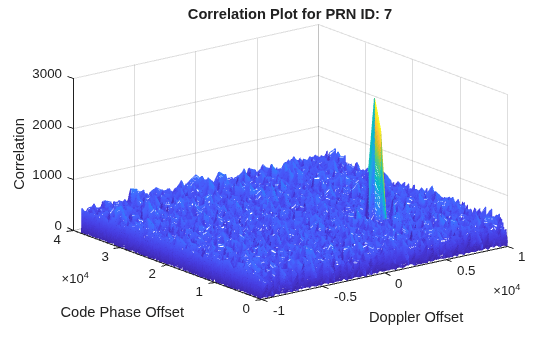
GPS Receiver Acquisition and Tracking Using C/A-Code
Perform initial synchronization and tracking operations to receive a GPS IF waveform from multiple satellites using C/A-code.
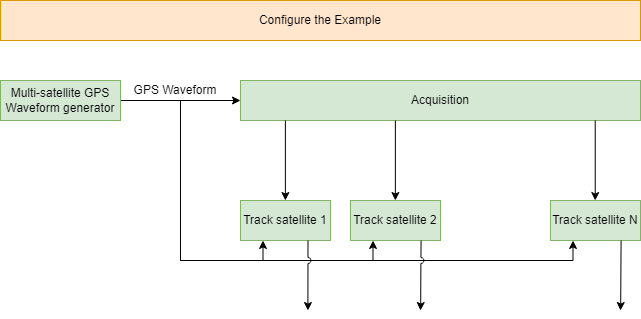
GPS Receiver Acquisition and Tracking
Perform acquisition and tracking of these three GPS baseband signals – GPS L1 C/A, GPS L1C, and GPS L5.
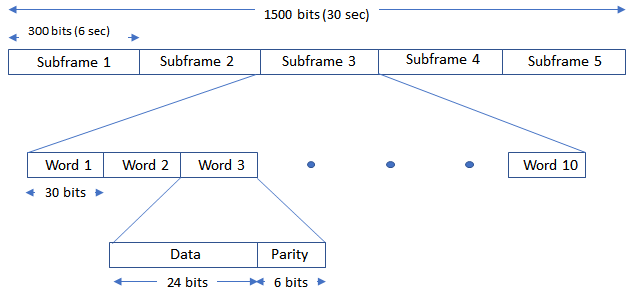
GPS Data Decode
Perform bit and frame synchronization and decode the LNAV data.
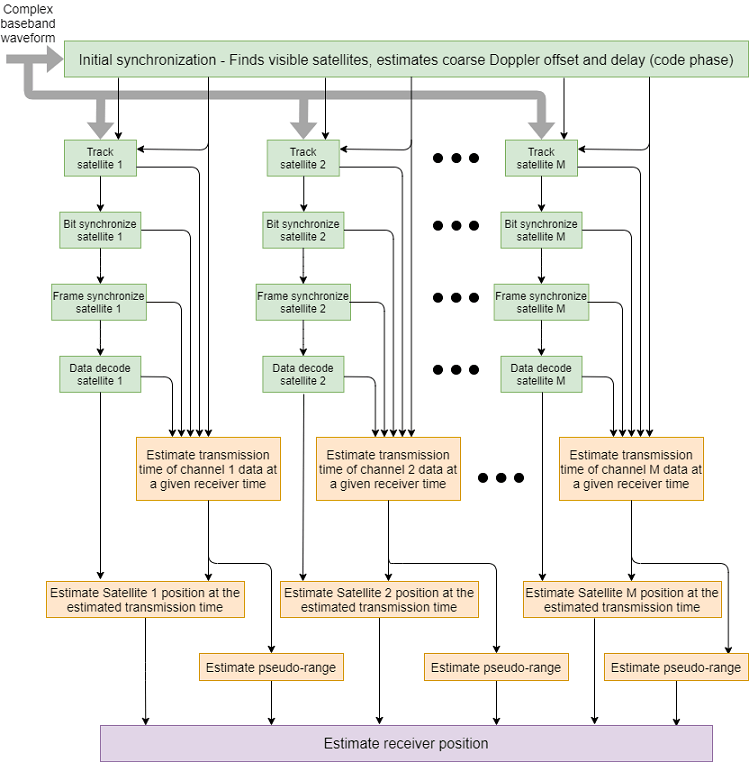
GPS Legacy Navigation Receiver Positioning Using C/A-Code
Estimate GPS position using a multi-satellite GPS baseband waveform.
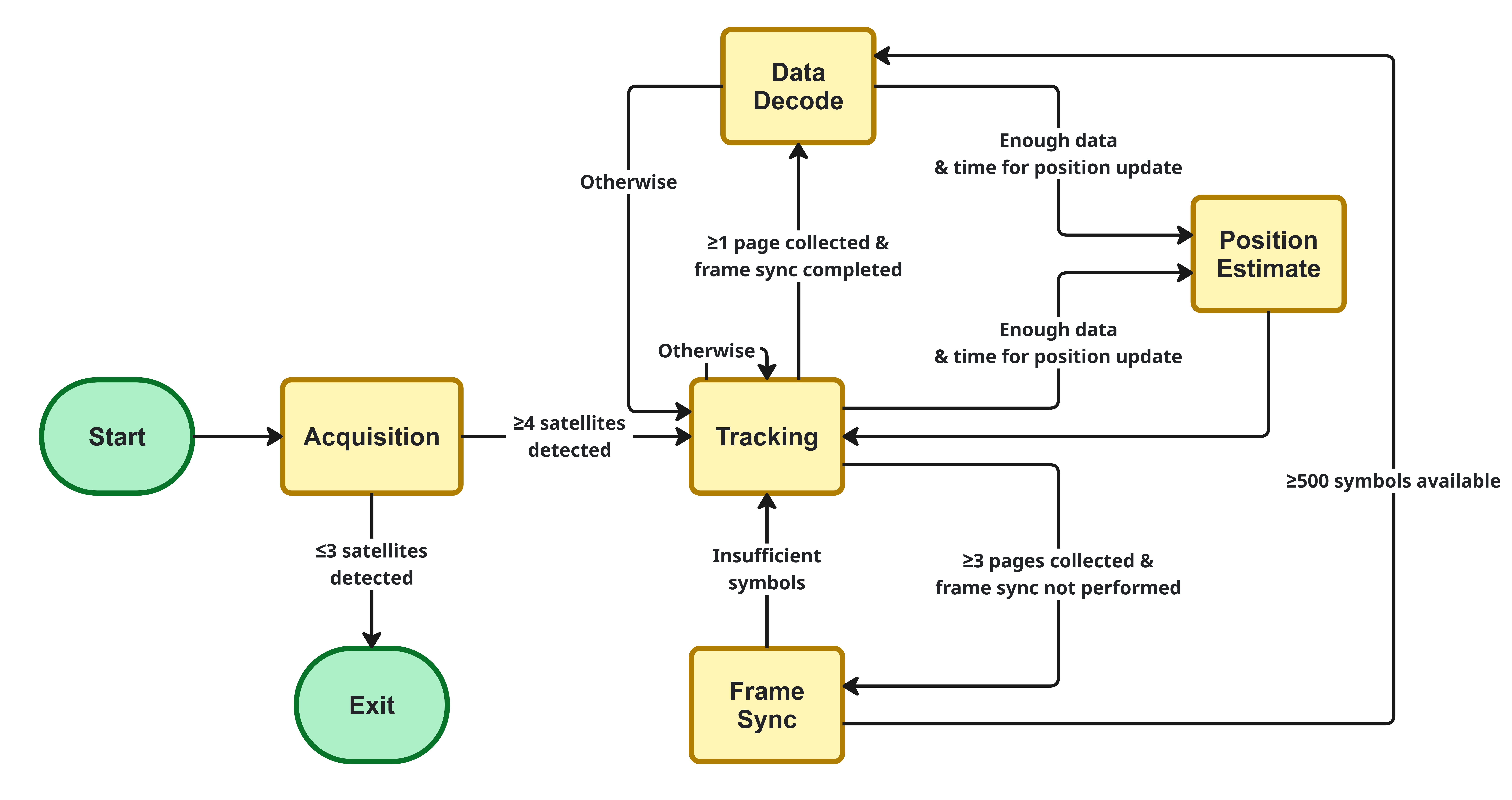
Galileo GNSS Receiver Positioning
Simulate a Galileo signal generation and reception chain to estimate the location of the receiver.
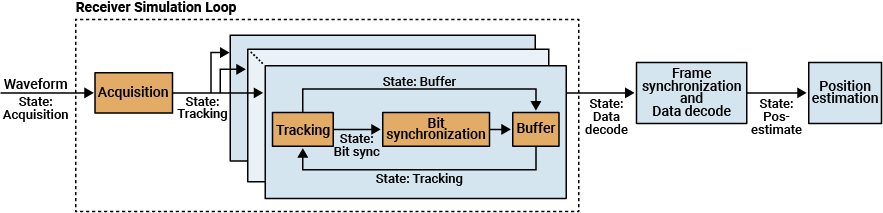
NavIC Receiver Positioning
Simulate the NavIC signal generation and reception chain to estimate the location of the receiver.
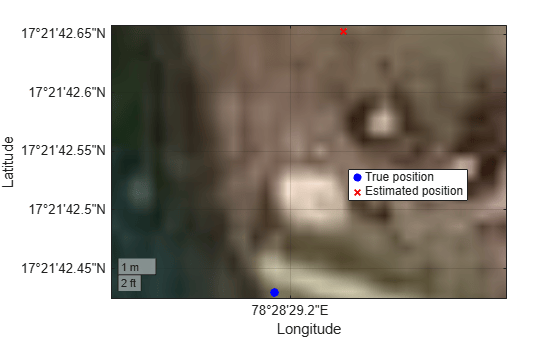
NavIC L1 Receiver Positioning
Estimate the position of a stationary receiver using NavIC L1 SPS signal.
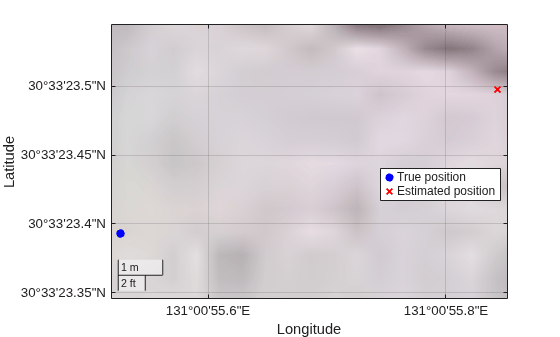
QZSS Receiver Positioning Using L1C/A or L1C/B Signals
Estimate the position of a stationary receiver using QZSS L1C/A or L1C/B signal.
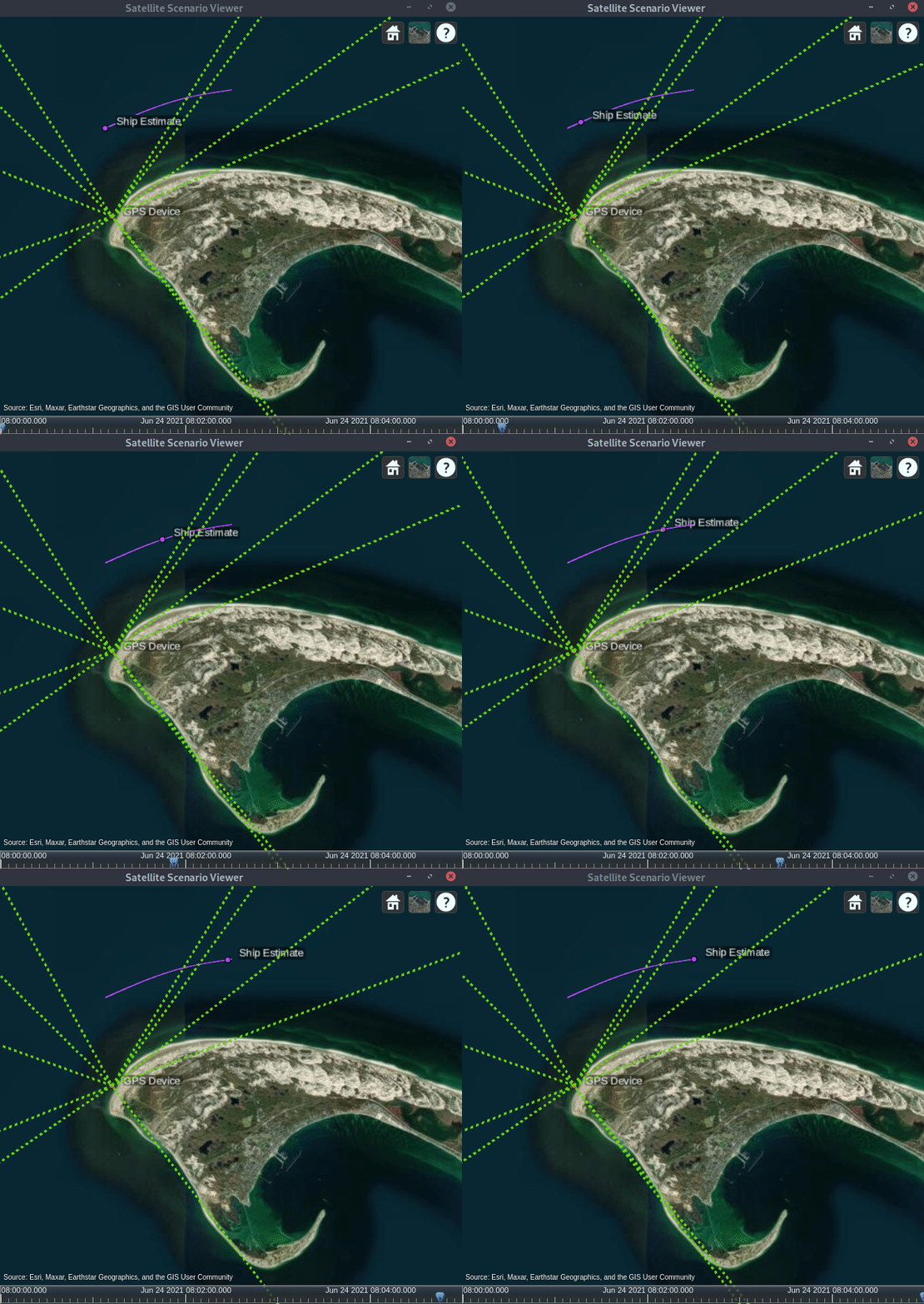
Multistatic Localization of a Ship Using GPS Illuminations
Locate a ship using received GPS signals reflecting off the ship.

